Potential Savings
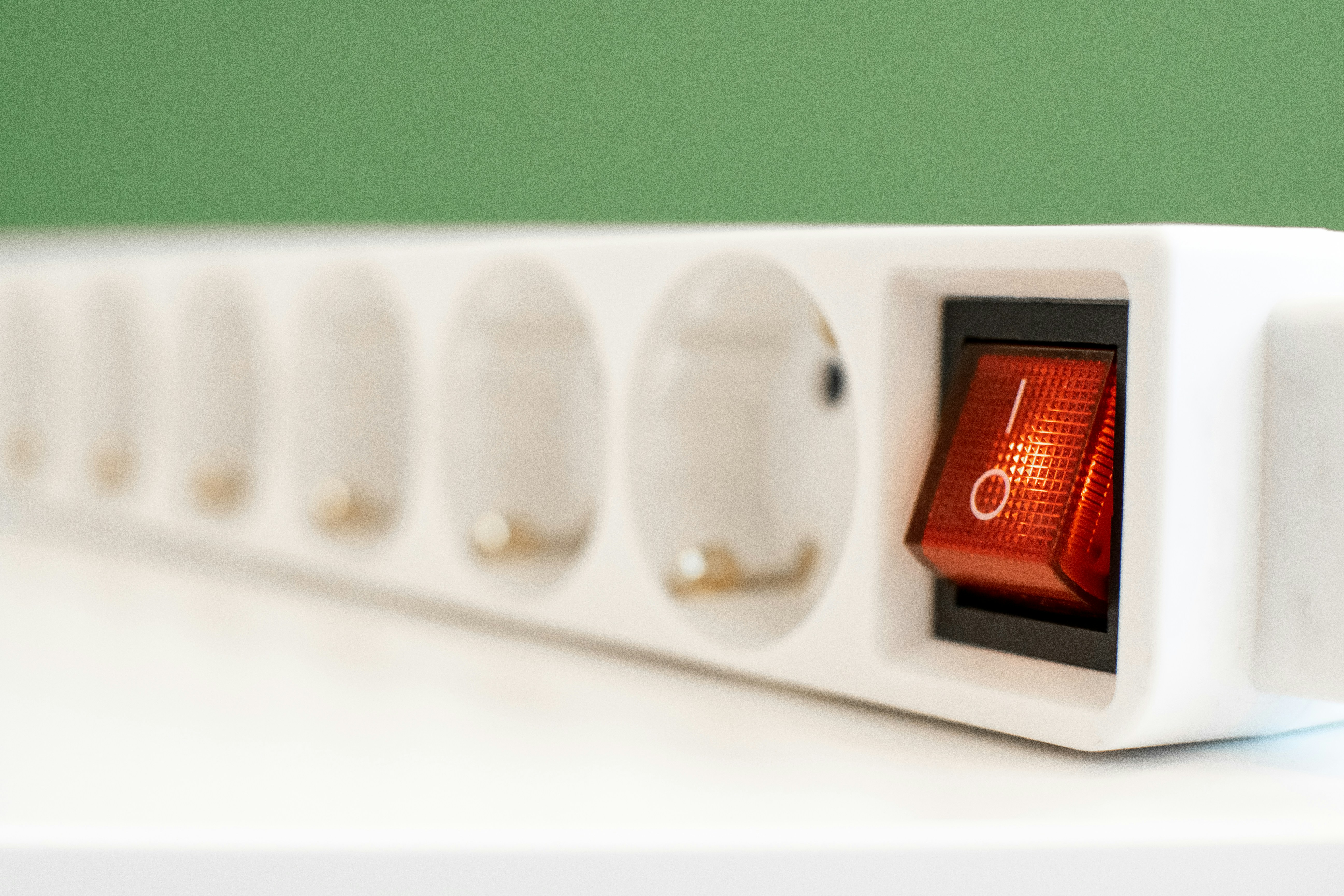
Extension Chord
Stop phantom energy drain - unplug in seconds
Extension Chord
Plugged in appliances can use energy even when not in direct use. Although it's a small amount per item, this can add up quickly. Use extension chords to make it faster and easier to unplug appliances when you leave the house! Particularly useful for home offices.
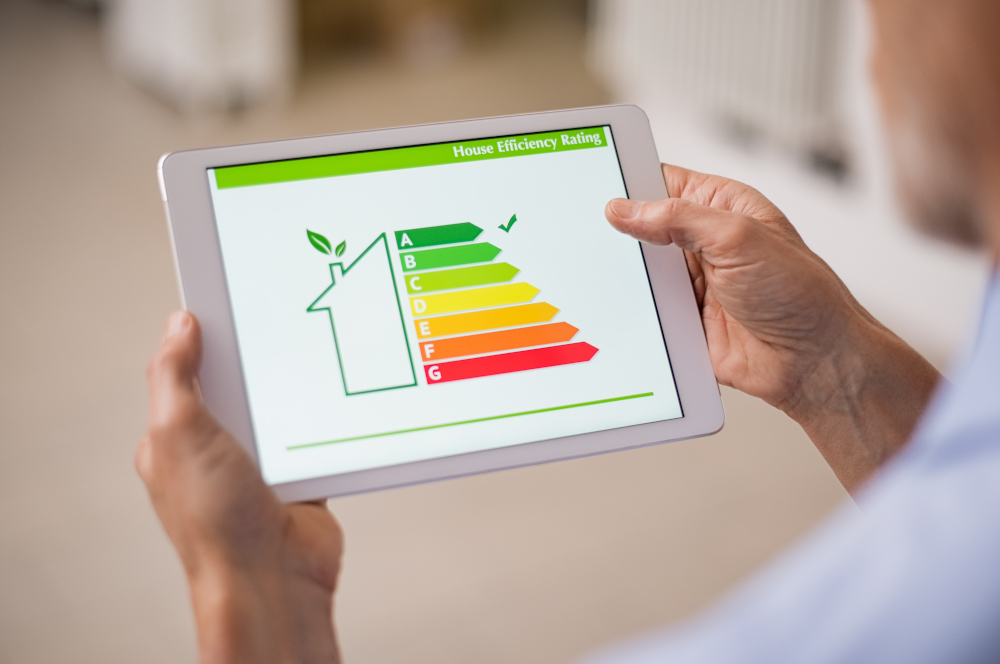
Energy Efficient Appliances
A-rated appliances: Maximum performance, minimum cost
Energy Efficient Appliances
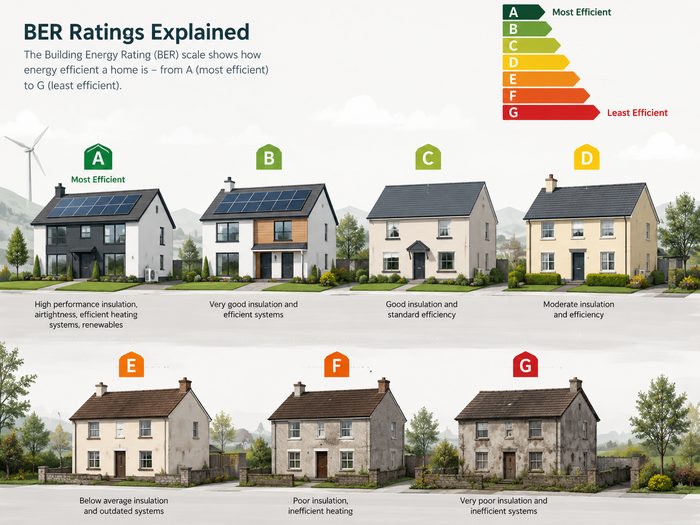
When upgrading any appliance, take a look at its energy rating! The ratings range from A to G, with A-rated devices using the least energy. Certain devices are much more energy efficient than others and can help reduce bills.
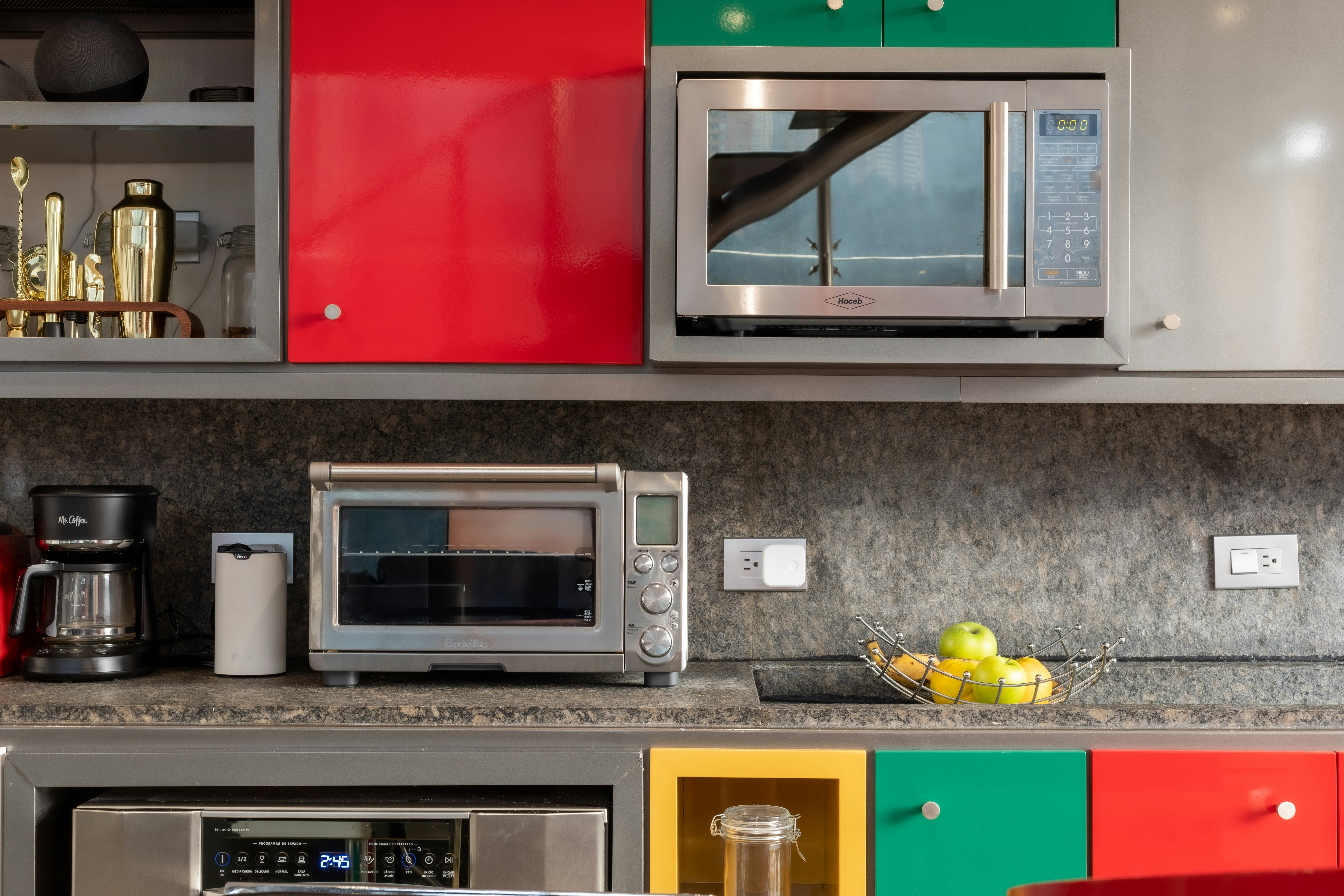
Microwave
1°C lower = 10% savings on your bill
Microwave
Use the microwave to reheat or cook food rather than the oven! Microwaves are more energy efficient for certain tasks because they heat food directly instead of heating surrounding air.
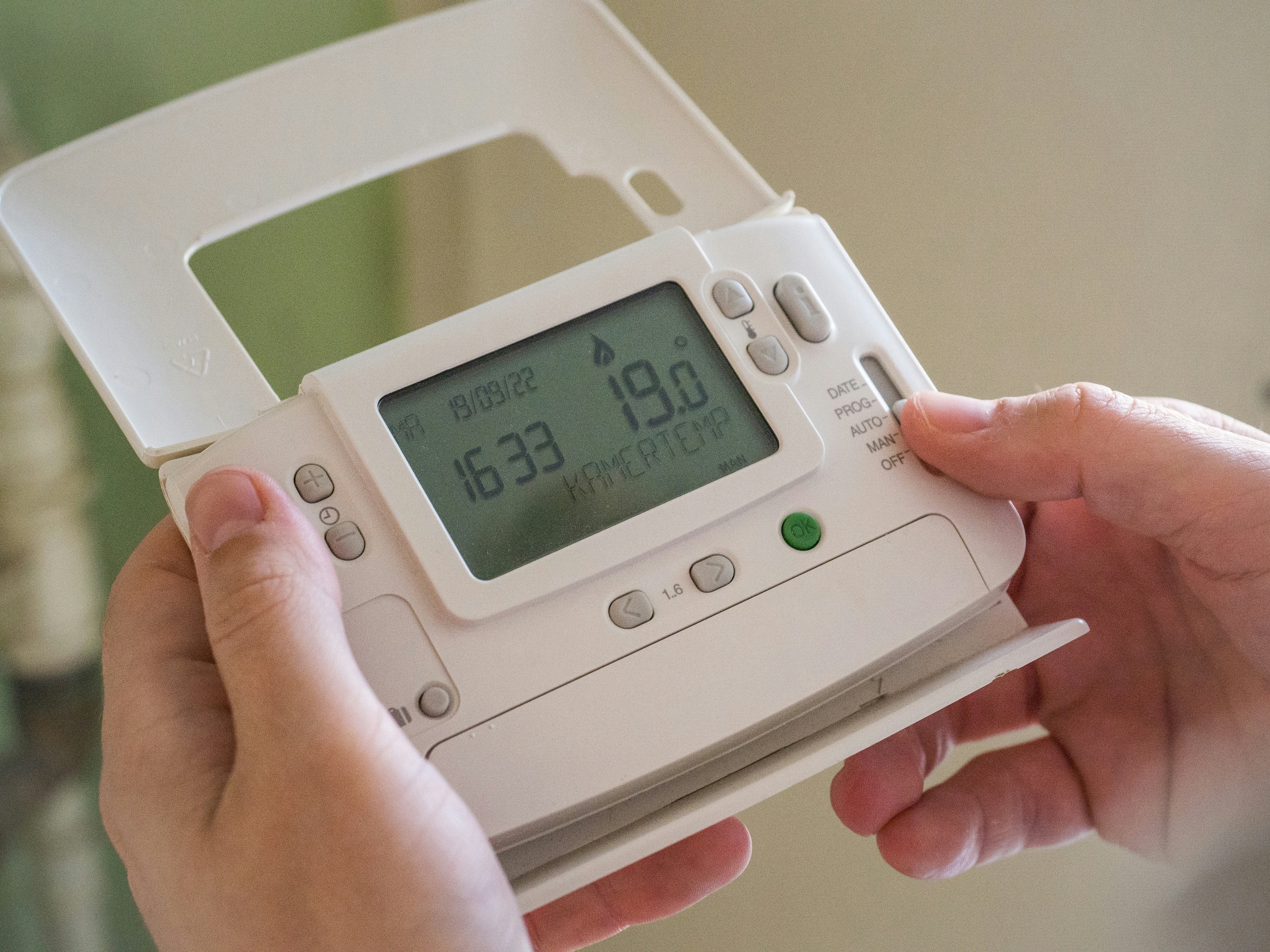
Thermostat
1°C lower = 10% savings on your bill
Thermostat
Small changes to your thermostat usage could result in big changes on your energy bills. On average a 1°C reduction in your set temperature is a 10% reduction on your bills.
Using timers and schedules to automatically adjust temperatures when you are away or asleep can help also help reduce redundant energy consumption.
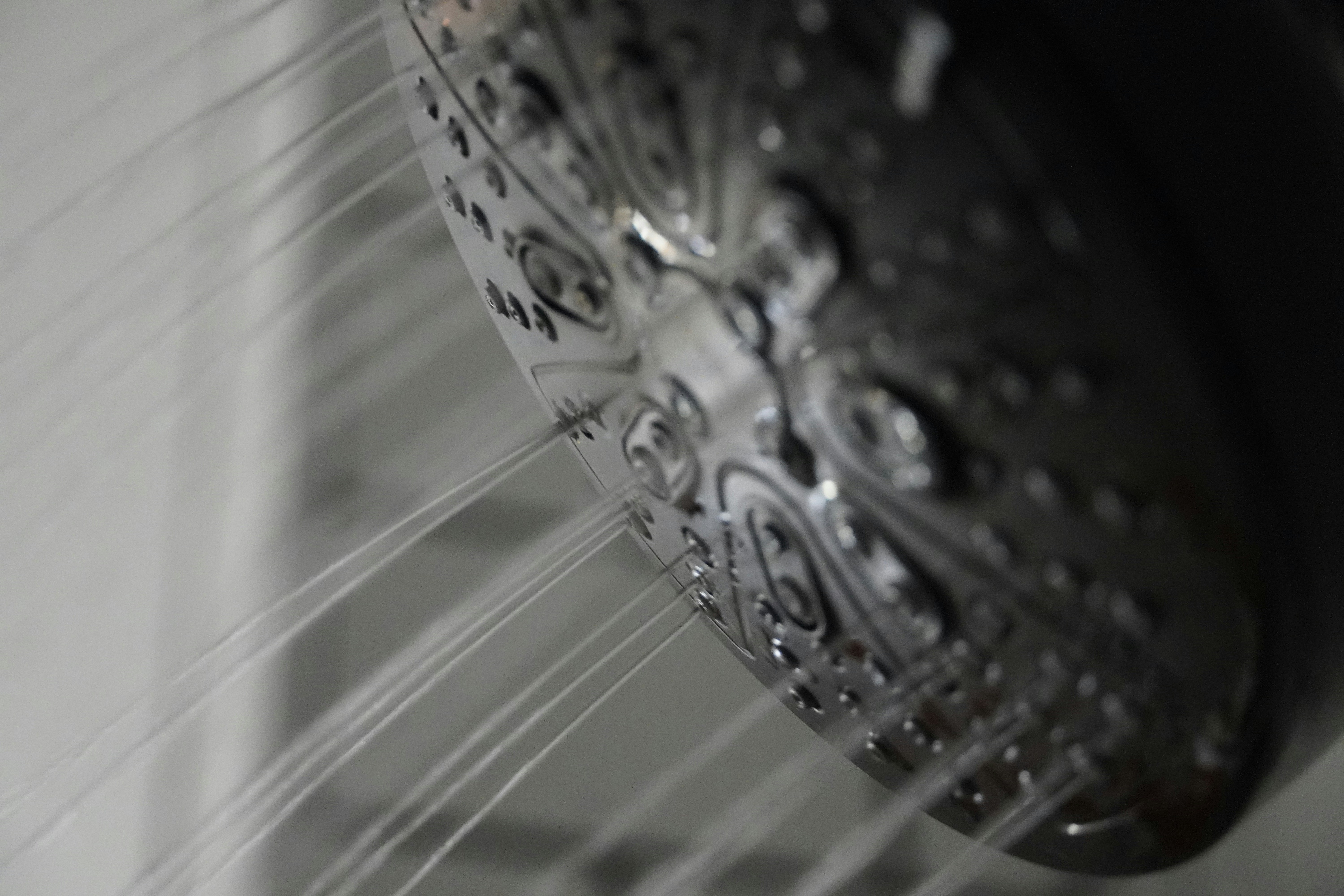
Showers
Save €300/year with 4-minute shorter showers
Showers
Electric showers are large consumers of energy. A 10kW shower uses approximately 1 kWh of energy in six minutes. A family of four could save up to €300 annually by reducing shower length from 10 minutes to 6 minutes. Taking shorter showers can make small but gradually substantial changes to your energy bill.
Rates for immersion heater showers are much lower, but ensuring you are not overheating your water (keeping it at 60-65°C) can reduce bills even more.
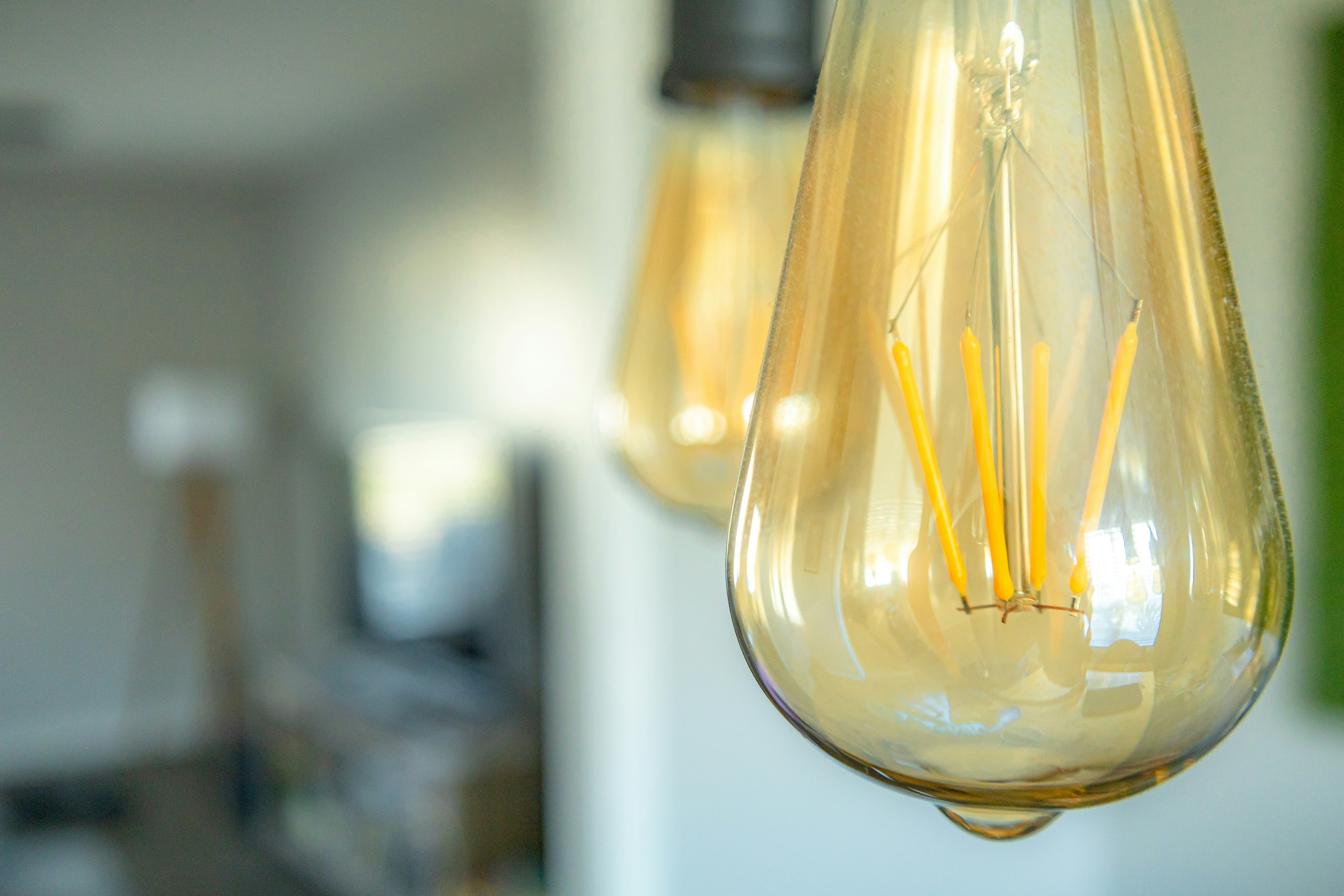
LED Bulbs
90% less energy, 50x longer life
LED Bulbs
LED bulbs use 80-90% less energy than old incandescent bulbs. A 10W LED bulb can provide the same amount of light as a 60W incandescent bulb. They can also last 25-50 times longer.
Making the switch for your home could save energy, and money. Remember to look at the lumens of a bulb to ensure you are getting the correct brightness.
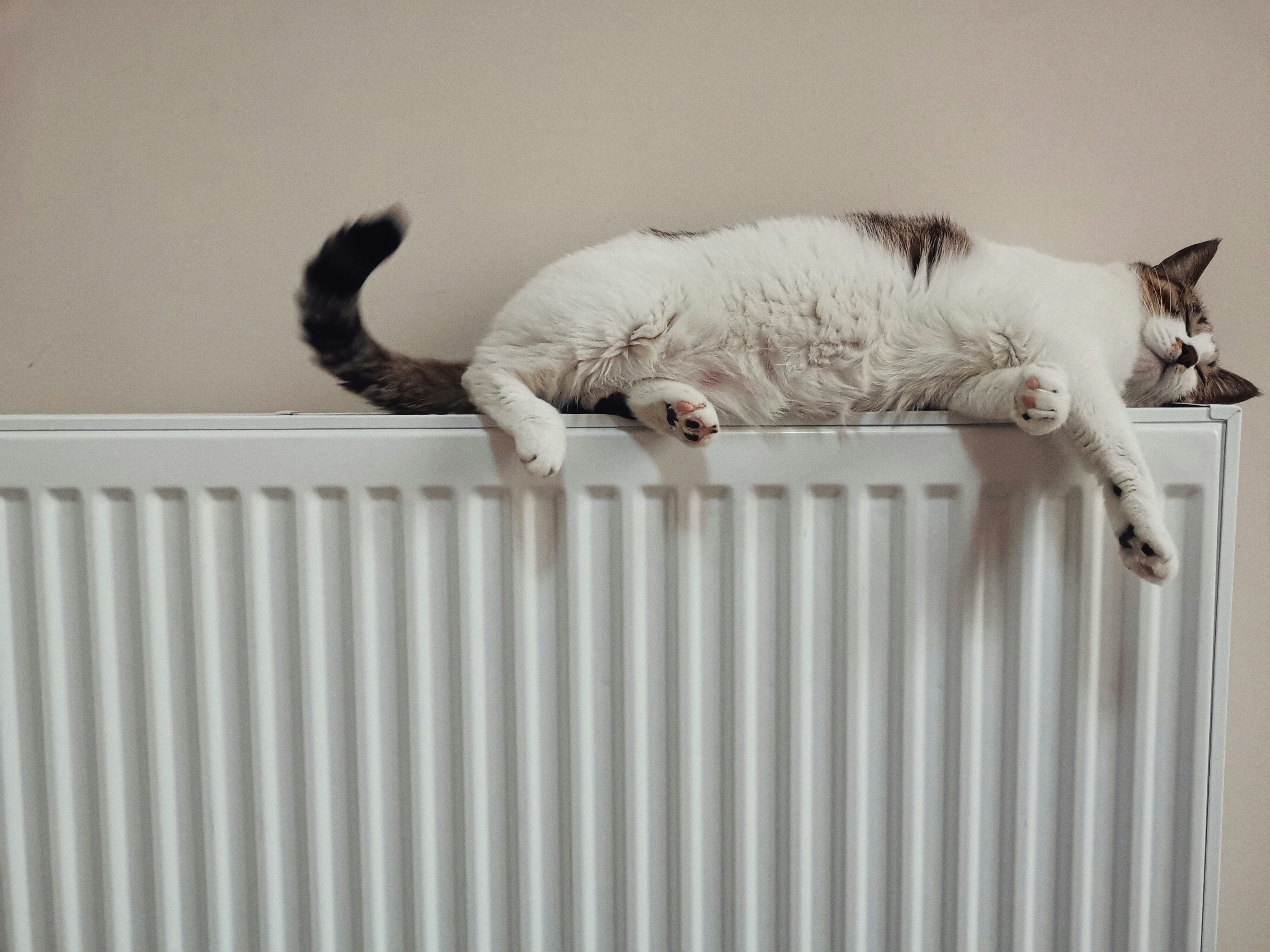
Heating
Smart heating = comfort without the cost
Heating
Smart use of your heating system can help you get your money's worth. Maintenance efforts such as bleeding radiators regularly, and annual boiler services help ensure your home is being heated with maximum efficiency.
Control your heating meaningfully by using timers and heating controls, lowering heating in less frequently used rooms, insulating hot water cylinders with lagging jackets and monitoring the temperature of your gas boilers and immersion.
While heating your home, limit draughts from keyholes and doors. For unused chimneys use a chimney balloon to prevent heat loss. Avoid putting furniture or curtains directly in front of radiators to allow circulation. Keep internal doors and curtains closed to keep the heat IN and the cold OUT.
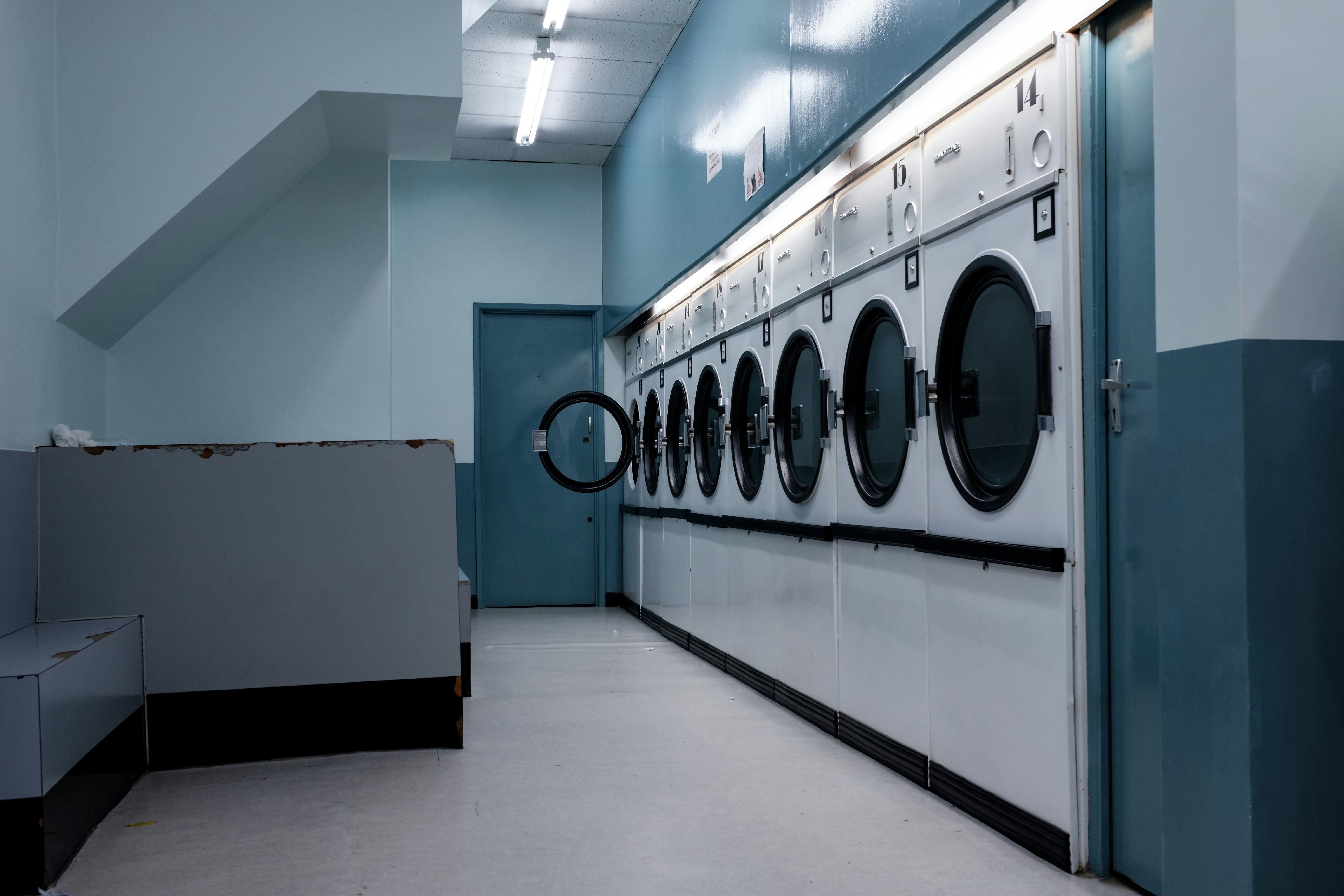
Tumble Dryer
Air-dry and save €200+ annually
Tumble Dryer
Tumble dryers are heavy energy consumers. Improve the efficiency of your drying by separating heavy and light items of clothing, lighter items can be dried in shorter cycles. Add a dryer ball to your load to separate laundry and improve airflow, this can shorten drying times as well as reduce wrinkles!
Consider investing in a heat pump tumble dryer. Although the initial cost might be higher, long-term savings on energy bills make them a wise investment.
If it's an option, abandon the tumble dryer entirely and air-dry laundry! In the warmer months this can be done outside, while in winter a dehumidifier can help reduce dampness and speed up the process.
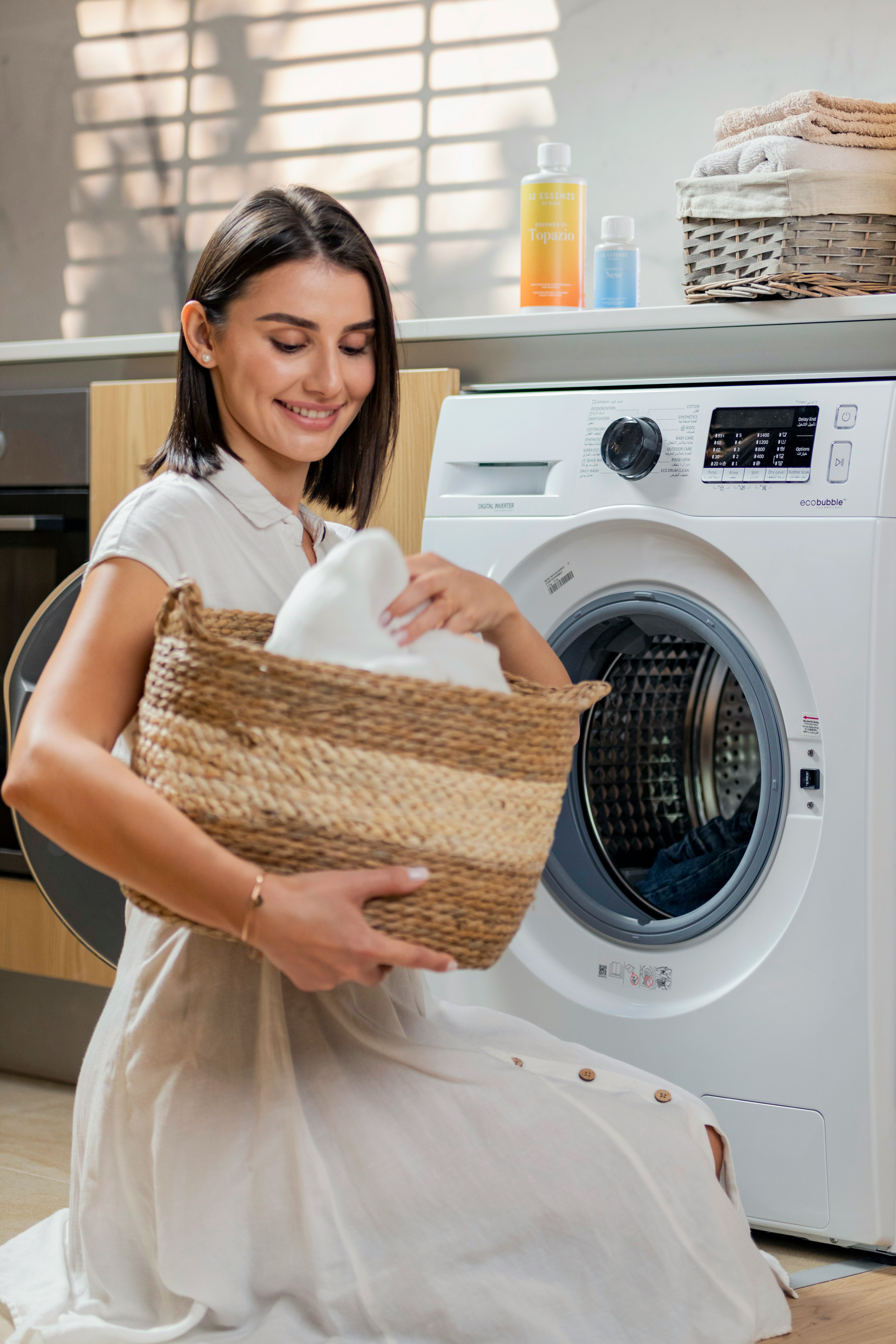
Washing Machine
Wash cold, save big
Washing Machine
Changes to your washing machine routine can also help reduce energy costs. The main energy consuming aspect of a wash is the heating of water, reducing the temperature of your washing, or using eco settings helps avoid this. If possible, invest in a front-loading washing machine which uses even less water, and spins faster.
Washing full loads ensures you are taking maximum advantage of your energy consumption. Try to treat any large stains before wash to avoid having to rewash items.
Night Rates
Electricity costs are higher during the day and lower at night. By using appliances in off-peak hours, you can save money and reduce your energy bills. The tables below show day and night rates for common household appliances, along with potential savings.
Kitchen
| Appliance | Power | Day Rate (€) / hour | Night Rate (€) / hour | Savings (€) / hour |
|---|---|---|---|---|
| Kettle | 2.5 kWh | €0.81 | €0.48 | €0.34 |
| Oven | 2.5 kWh | €0.81 | €0.48 | €0.34 |
| Microwave | 0.8 kWh | €0.26 | €0.15 | €0.11 |
| Slow cooker | 0.2 kWh | €0.07 | €0.04 | €0.03 |
| Toaster | 1.5 kWh | €0.49 | €0.29 | €0.20 |
| Fridge/freezer | 350 kWh/year | €0.31/day | €0.18/day | €0.13/day |
| Dishwasher | 1.5 kWh per cycle | €0.49 | €0.29 | €0.20 |
Utility
| Appliance | Power | Day Rate (€) / hour | Night Rate (€) / hour | Savings (€) / hour |
|---|---|---|---|---|
| Washing machine | 1 kWh per cycle | €0.33 | €0.19 | €0.14 |
| Tumble dryer | 3 kWh | €0.98 | €0.57 | €0.41 |
| Heated airer | 0.3 kWh | €0.10 | €0.06 | €0.04 |
| Iron | 2.5 kWh | €0.81 | €0.48 | €0.34 |
| Vacuum cleaner | 0.7 kWh | €0.23 | €0.13 | €0.09 |
Bedroom
| Appliance | Power | Day Rate (€) / hour | Night Rate (€) / hour | Savings (€) / hour |
|---|---|---|---|---|
| Lamp (LED bulb) | 0.01 kWh | €0.00 | €0.00 | €0.00 |
| Lamp (traditional bulb) | 0.06 kWh | €0.02 | €0.01 | €0.01 |
| Electric blanket | 0.15 kWh | €0.05 | €0.03 | €0.02 |
| Hairdryer | 2 kWh | €0.65 | €0.38 | €0.27 |
| Hair straightener | 0.12 kWh | €0.04 | €0.02 | €0.02 |
Bathroom
| Appliance | Power | Day Rate (€) / hour | Night Rate (€) / hour | Savings (€) / hour |
|---|---|---|---|---|
| Immersion/Bath | 3 kWh | €0.98 | €0.57 | €0.41 |
| Electric shower | 9.5 kWh | €3.09 | €1.81 | €1.28 |
Living Room
| Appliance | Power | Day Rate (€) / hour | Night Rate (€) / hour | Savings (€) / hour |
|---|---|---|---|---|
| TV (55” LED) | 0.1 kWh | €0.03 | €0.02 | €0.01 |
| Bluetooth speaker | 0.025 kWh | €0.01 | €0.00 | €0.00 |
| Games console | 0.2 kWh | €0.07 | €0.04 | €0.03 |
Home Office
| Appliance | Power | Day Rate (€) / hour | Night Rate (€) / hour | Savings (€) / hour |
|---|---|---|---|---|
| Desktop computer | 0.2 kWh | €0.07 | €0.04 | €0.027 |
| Laptop | 0.07 kWh | €0.02 | €0.01 | €0.0095 |
| WiFi router | 0.01 kWh | €0.00 | €0.00 | €0.0014 |
| Phone charger | 0.005 kWh | €0.00 | €0.00 | €0.0016 |
| Portable heater | 1.2 kWh | €0.39 | €0.23 | €0.162 |
Energy Tips That Fit Your Life
Energy usage is personal and contextual. A family of 5 and a student living alone do not have the same energy requirements. Here are some practical tips tailored to your living situation to help you reduce energy consumption and save on your bills.
Living Alone
- Use energy-efficient appliances and smaller-capacity devices suited to one-person households.
- Optimize heating/cooling for small spaces—use space heaters or portable units selectively.
- Use LED lighting and efficient cooking methods like microwaving or air fryers.
- Unplug rarely used devices and charge electronics only when needed.
Families With Children
- Encourage everyone to turn off lights and appliances when not in use.
- Use smart thermostats to balance comfort and efficiency.
- Wash clothes at lower temperatures and in full loads.
- Schedule heavy energy tasks during off-peak hours.
- Teach kids about saving energy—unplugging, turning off taps, using daylight.
Elderly
- Maintain consistent heating to stay safe without wasting energy.
- Use insulation and curtains to retain heat effectively.
- Wear layered clothing indoors to reduce heating needs.
- Avoid leaving kettles, heaters, or TVs on unnecessarily.
Working From Home
- Use energy-efficient laptops, monitors, and lighting.
- Take advantage of off-peak rates for heavy equipment use.
- Turn off equipment at the end of the day or during breaks.
- Enable power-saving modes on printers and screens.
Students / Shared Living
- Share responsibility for switching off lights and devices.
- Cook efficiently—batch cook, use microwaves or air fryers.
- Agree on thermostat settings to avoid energy waste.
Seasonal Tips
- Begin drying clothes outdoors rather than a tumble dryer
- Re-evaluate lighting needs as natural daylight increases
- Service boiler after heavy winter use to ensure efficiency
- Use fans instead of air conditioning when possible
- Close curtains and blinds to keep rooms cooler
- Bleed radiators to remove trapped air to improve performance
- Apply weatherstripping/draught excluders around windows and doors
- Schedule boiler service before winter
- Insulate hot water pipes to retain heat
- Clear gutters and downpipes to prevent damp and heat loss
- Avoid blocking radiators with furniture or curtains to allow proper heat circulation
- Keep internal doors closed to retain heat
- Set heating timer
Other Useful Websites
One of the best ways to save money on your energy bills is by switching to a cheaper provider.
Comparison tools like Bonkers.ie and Switcher.ie
help you easily compare prices across multiple suppliers.
Remember to factor in both standing charges and usage rates when making your decision.
Research
Our published findings on retrofit, energy poverty and the Irish housing stock. Every piece is free to download.
Assessment of Measures and Supports to Mitigate Energy Poverty
Prime19, in partnership with the SEAI, researched energy poverty in Ireland under the project Leveraging Advanced Analytics to Tackle Energy Poverty & Drive Greater Retrofit Activity. This report compared the two main government responses, income supports and home energy upgrades, and identified which measures reduced energy poverty most effectively across the country.
